- Integrative approach
- BACP counsellor
- Focus on relationships
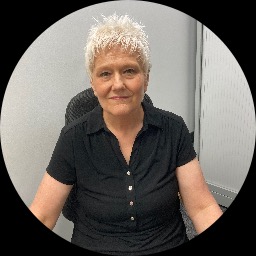
About Jo
Jo Shenton is a BACP counsellor who helps people facing stress, anxiety, addiction and relationship strain. She supports those dealing with trauma, depression and grief, and offers guidance around parenting, intimacy and self-esteem. Her approach is straightforward and practical, aimed at helping a person take clearer steps forward.
Jo uses an integrative style that pulls together different counselling approaches to match each person’s needs. Sessions focus on understanding the current situation, spotting unhelpful patterns and finding workable ways to change them. She encourages clients to uncover their own solutions and to rehearse new ways of coping.
Her background includes a Professional Diploma in Psychotherapeutic Counselling (level 6) and a Certificate in Counselling from Staffordshire University. Jo records six years of experience working with individuals and couples, and she has particular experience in addiction outreach, substance misuse and mental health recovery work.
In practice she aims to build a trusting relationship where people feel accepted and heard. She keeps learning through regular supervision, training and professional development under the British Association for Counselling and Psychotherapy, BACP.
People come to Jo to improve day-to-day coping, repair relationships, manage mood or move on from painful past events. Her sessions combine practical techniques with a calm, person-centred manner to help people move towards a more fulfilling life.
How Jo's approaches translate to online therapy
Acceptance and Commitment Therapy (ACT) helps people notice unhelpful thoughts without getting stuck in them and then act in line with their values. It can be useful for anxiety, low mood and when life feels confusing. Attachment-Based Therapy looks at how early relationship patterns affect current connections; it helps people understand why they respond the way they do in close relationships. Client-Centred Therapy focuses on an accepting, non-judgemental relationship where the counsellor listens deeply and follows the client’s priorities.Choosing the right approach is part of the work. Jo will discuss options with each person and decide together which methods suit their goals, needs and personal style. This collaborative planning can be adjusted as therapy unfolds.
If you are considering online options, confirm the exact session formats before booking. The main practical benefits of online work include fitting sessions into a busy week and reducing travel time. Online meetings can make it easier to have shorter check-ins, fit a session into a lunch break, or avoid needing to be on camera for every conversation. Many people find they can maintain momentum between sessions more easily when therapy fits their daily routine.
Areas of expertise
Primary focus
Also works with
Additional focus areas
Therapeutic approaches
Experience
6+ years
Listed in
United Kingdom
Languages
English
Frequently asked questions
What concerns does Jo commonly help with?
Jo works with a wide range of issues including stress, anxiety, addiction, relationship problems, trauma, depression, grief and parenting challenges.
How would you describe her therapeutic style?
Her style is integrative and person-centred, blending practical techniques with space to reflect. Sessions aim to identify patterns and build realistic coping strategies.
What experience does she bring to sessions?
She has six years of counselling experience, including work with individuals and couples and outreach roles in addiction and mental health recovery.
What credentials and location are listed?
Jo holds a Professional Diploma in Psychotherapeutic Counselling (level 6), a Certificate in Counselling from Staffordshire University and is registered with the British Association for Counselling and Psychotherapy, BACP. She practises in the United Kingdom.
In which languages can sessions be carried out?
Sessions are offered in English.
Can international clients work with her?
She accepts international clients; please confirm any scheduling and logistical details when booking.
How are sessions paid for and what does it cost?
Cost varies with location and therapist availability. Sessions use a subscription that can be cancelled at any time.
How do I begin if I want to work with Jo?
Click the Start Therapy button, complete a short matching questionnaire, and then schedule according to the therapist's availability.