- Stress and anxiety
- Trauma recovery
- Parenting support
About Rochester
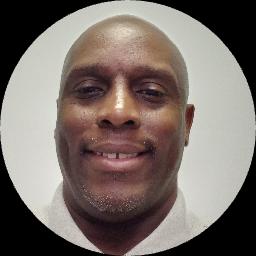
Rochester Damon is a Licensed Professional Counselor and Licensed Clinical Mental Health Counselor with seven years of professional experience in North Carolina. He focuses on helping people manage stress, anxiety, depression, anger, parenting challenges, and recovery from trauma and abuse. Rochester aims to make the first steps toward change feel doable and supported.
He uses straightforward methods such as cognitive behavioral approaches and mindfulness to help people notice unhelpful patterns and try different responses. He also uses dialectical behavior strategies and motivational interviewing to support clearer decision making and stronger emotion regulation. Trauma-focused methods guide work when past hurt is part of the picture.
Sessions are meant to be a place where thoughts and feelings can be spoken honestly without judgment. Rochester emphasizes practical skills people can use between sessions, along with space to talk through difficult experiences. He prioritizes collaboration so goals reflect what the client wants to change.
Over seven years he has worked with a range of concerns related to stress and relationships and has supported people through recovery from abuse and trauma. His background combines evidence-based techniques with a calm, direct style aimed at making therapy feel useful in day-to-day life.
People interested in starting are encouraged to consider what they most want to change and to use that as a starting point for the first session. Rochester works in English and practices in North Carolina.
How Rochester’s approaches translate to online work
Rochester commonly draws on cognitive behavioral methods and trauma-focused techniques that are straightforward to use in online sessions. Cognitive Behavioral Therapy helps people spot thought and behavior patterns that keep problems going and then try alternative actions to see what changes. Trauma-focused work helps people process past harm in a paced way while building coping skills to manage strong feelings.He also uses elements of dialectical behavior therapy to teach concrete emotion regulation and distress-tolerance skills that people can practice between sessions. Finding the right mix of methods is a shared process - the therapist and client will discuss goals, try approaches, and adjust based on what feels most helpful and realistic for daily life.
If you are considering online sessions, confirm the current session formats before booking since session options are set by the therapist. Online work can make it easier to fit appointments into a busy schedule, reduce travel time, allow shorter check-ins when needed, and let people use learned skills in the contexts where they live their day-to-day lives. Licensed professionals can adapt exercises, skills practice, and trauma-informed pacing to remote sessions in ways that aim to keep progress steady and practical.
Areas of expertise
Primary focus
Therapeutic approaches
Experience
7+ years
Listed in
North Carolina, Texas
Languages
English
Frequently asked questions
What kinds of concerns does Rochester help with?
He helps people who are coping with stress, anxiety, depression, anger, parenting challenges, and trauma or abuse.
What is his general therapeutic style?
He uses practical, skills-based approaches and works collaboratively to set goals and practice strategies between sessions.
How much clinical experience does he have?
Rochester has seven years of professional work experience in counseling and therapeutic settings.
What credentials and where is he licensed?
He holds the credentials LPC and LCMHC and practices in North Carolina. The LPC is listed for Texas and LCMHC for North Carolina.
Which languages are sessions offered in?
Sessions are offered in English.
Can people outside the country work with him?
He does not accept international clients at this time.
How are sessions scheduled and what do they cost?
Cost varies with location and the therapist subscription model; sessions use a subscription that can be canceled at any time.
How do I get started with therapy?
Click the Start Therapy button, complete the short matching questionnaire, and then schedule according to therapist availability.