- Client-centered approach
- Practical coping skills
- Experience with trauma
About Zach
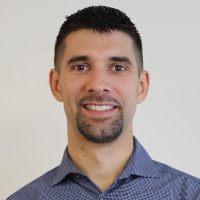
Zach Bruns is a licensed professional counselor (LPC) based in Wisconsin who focuses on straightforward, practical help. He centers sessions on empathy and presence, aiming to create a respectful space where people can talk through hard problems. Zach draws on several counseling approaches to tailor support to each person’s needs.
He has eight years of experience in counseling and case management. His background includes work with depression, anxiety, bipolar disorder, substance use concerns, sleep problems, obsessive compulsive disorder, and attention-deficit hyperactivity disorder. He has also supported people who have experienced childhood trauma, domestic violence, and homelessness.
Zach’s day-to-day style is grounded in client-centered work, which means he follows the person’s lead and listens for what matters most. He pairs that with solution-focused and cognitive behavioral techniques to build small, practical steps forward. Motivational interviewing elements are used when exploring changes related to substance use or other habits.
Sessions often focus on coping skills for stress, managing mood symptoms, work on parenting challenges, and rebuilding routines like sleep. He also helps people facing grief, relationship strain, and questions about identity and intimacy. The aim is to find realistic strategies that fit a person’s life.
If someone is unsure what will help, Zach begins by asking about current struggles and goals. From there he and the client build a plan with clear next steps and measurable goals.
How these therapeutic approaches work online
Client-centered therapy focuses on listening and following what matters to the person. In practice this looks like the therapist asking open questions, reflecting feelings, and helping clients name what they want to change or keep. It is useful when someone needs a steady, respectful space to sort out difficult emotions.Cognitive behavioral therapy, or CBT, helps identify unhelpful thoughts and habits and replace them with more useful behaviors. CBT is often used for anxiety, depression, sleep problems, and managing mood swings by building small practice exercises and clearer routines.
Trauma-focused methods concentrate on safety, stabilization, and gradual processing of past harms. These approaches aim to reduce distress from traumatic memories and build coping skills for triggers and related symptoms.
Choosing the right approach is a collaborative process. The therapist will talk with the client about goals, preferences, and what has worked before. From there they pick strategies together and adjust them as progress is made.
For practical matters, confirm the current session options before booking since formats are not listed in the biography. Online therapy can make it easier to fit sessions into a busy week, reduce travel time, and allow shorter check-ins when a full session isn’t needed. It can also make work on coping skills and thought patterns feel more consistent because sessions can be scheduled around daily life.
Areas of expertise
Primary focus
Also works with
Therapeutic approaches
Experience
8+ years
Listed in
Wisconsin
Languages
English
Frequently asked questions
What kinds of concerns does Zach address?
He works with stress, anxiety, addictions, trauma and abuse, anger, depression, sleep problems, parenting challenges, and related issues such as ADHD and bipolar symptoms.
How would you describe his therapy style?
His work is client-centered and empathetic, combined with solution-focused and cognitive behavioral techniques to create concrete steps forward.
What experience does he bring to sessions?
He has eight years of experience as a counselor and case manager and has supported people facing homelessness, childhood trauma, and domestic violence.
Where is he licensed and located?
Zach holds the LPC credential and practices in Wisconsin.
In which languages can someone meet with him?
Sessions are offered in English.
Can people outside the US work with him?
International clients are not currently accepted.
How are costs and payment handled?
Cost varies with location and therapist availability; sessions use a subscription that can be canceled at any time.
What steps are needed to begin therapy?
Use the Start Therapy button, complete a short matching questionnaire, and then schedule sessions according to therapist availability.