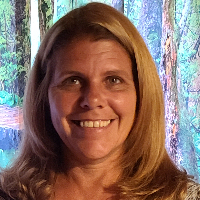
Amanda Polk
LISW-CPSouth Carolina · 10 yrs exp
Practical therapy for stress and family concerns
Stress, Anxiety · Relationship · Family · Trauma and abuse · +1 more
Read profileTherapist listings are provided by BetterHelp. We will earn a commission at no additional cost to you if you use our links to purchase.
This page groups profiles of therapists who list Adoption alongside family relationships and parenting. Use the listings to compare focus areas, therapeutic approaches, languages, credentials and listed location, then browse profiles to learn more.
South Carolina · 10 yrs exp
Practical therapy for stress and family concerns
Stress, Anxiety · Relationship · Family · Trauma and abuse · +1 more
Read profile
Kentucky · 11 yrs exp
Practical, relationship-focused therapy for change
Stress, Anxiety · Relationship · Family · Self esteem · +9 more
Read profile
Pennsylvania · 9 yrs exp
Helping parents find calmer, practical paths
Stress, Anxiety · Grief · Parenting · Self esteem · +11 more
Read profile
Louisiana · 12 yrs exp
Compassionate counseling for family and parenting challenges
Relationship · Parenting · Anger · Self esteem · +14 more
Read profile
Pennsylvania · 25 yrs exp
Compassionate care for addiction and related struggles
Addictions · Relationship · Family · Anger · +1 more
Read profile
Illinois · 37 yrs exp
Collaborative, practical support for family concerns
Stress, Anxiety · Family · Anger · Self esteem · +11 more
Read profile
Texas · 22 yrs exp
Compassionate counselor for family and parenting concerns
Stress, Anxiety · Family · Trauma and abuse · Parenting · +8 more
Read profile
United Kingdom · 3 yrs exp
Integrative counsellor for stress and family concerns
Stress, Anxiety · Trauma and abuse · Self esteem · Depression · +7 more
Read profile
United Kingdom · 10 yrs exp
Experienced counsellor for family concerns
Stress, Anxiety · Relationship · Family · Trauma and abuse · +8 more
Read profile
United Kingdom · 4 yrs exp
Practical, culturally aware family and parenting counsellor
Stress, Anxiety · Relationship · Parenting · Self esteem
Read profile
United Kingdom · 4 yrs exp
Counselling for stress, relationships and parenting
Stress, Anxiety · Relationship · Family · Trauma and abuse · +7 more
Read profile
Pennsylvania · 20 yrs exp
Compassionate, client-centered support for parenting and loss
Grief · Parenting · LGBT · Family · +3 more
Read profile
Texas · 4 yrs exp
Practical support for family and relationship struggles
Relationship · Family · Intimacy-related issues · Parenting · +9 more
Read profile
United Kingdom · 10 yrs exp
Practical, respectful counselling for family concerns
Stress, Anxiety · Family · Trauma and abuse · Self esteem · +1 more
Read profile
Australia · 4 yrs exp
Support for stress and parenting pressures
Stress, Anxiety · Parenting · Self esteem · Career · +3 more
Read profile
Australia · 7 yrs exp
Practical, compassionate support for family and parenting concerns
Stress, Anxiety · Relationship · Trauma and abuse · Parenting · +11 more
Read profile
United Kingdom · 5 yrs exp
Practical, strengths-based support for parenting and stress
Stress, Anxiety · Trauma and abuse · Parenting · Self esteem · +1 more
Read profile
Australia · 25 yrs exp
Psychodynamic therapist for family concerns
Relationship · Family · Trauma and abuse · Depression · +1 more
Read profile
Michigan · 4 yrs exp
Supportive licensed social worker for stress and family concerns
Stress, Anxiety · Family · Grief · Self esteem · +1 more
Read profile
California · 20 yrs exp
Narrative-focused therapist for family concerns
Stress, Anxiety · Family · Trauma and abuse · Parenting · +1 more
Read profile
Minnesota · 9 yrs exp
Compassionate therapist for parents and individuals
Stress, Anxiety · Trauma and abuse · Parenting · Depression · +1 more
Read profile
South Carolina · 5 yrs exp
Support for stress, trauma, and family concerns
Stress, Anxiety · Family · Trauma and abuse · Self esteem · +1 more
Read profile
Idaho · 17 yrs exp
Practical support for parenting and family stress
Stress, Anxiety · Grief · Parenting · Depression · +8 more
Read profile
Virginia · 6 yrs exp
Compassionate, practical support for family concerns
Stress, Anxiety · Trauma and abuse · Parenting · Depression · +4 more
Read profileAdoption can touch many parts of a family life - practical routines, everyday parenting stress, questions of identity, and longer arcs of grief or reunion. You may be an adoptive parent adjusting to attachment and behavior differences, a birth parent navigating loss and connection, an adult adoptee exploring identity, or someone affected by late discovery or reunification. Whatever your situation, therapists who list Adoption among their areas of interest often work with individuals to sort feelings, build coping strategies, and reflect on relationship patterns that affect parenting and family relationships. That does not mean every profile indicates work with children, couples, or family sessions - these listings indicate a focus area that you can discuss directly with any clinician.
Because adoption-related concerns sometimes intersect with trauma, medical history, legal questions, or intense emotions, it is important to prioritize immediate safety. If you or a child is in danger or at risk of harm, contact emergency services right away. For other emotional or practical concerns, looking for a clinician who understands adoption themes can help you find a space to explore feelings and decision-making as an individual.
The directory centers on family relationships and parenting, and Adoption is one of several focus areas that overlaps with those topics. Adoption can influence parenting approaches, expectations about attachment, and ongoing family dynamics. For example, adoptive parenthood may bring questions about openness with birth families, conversations about culture and identity for transracial or international adoptees, and the stresses of navigating school or behavioral challenges. Therapists who list both Adoption and family or parenting specialties in their profiles are signaling areas they attend to, but the listing alone does not prove a particular kind of training or a guarantee about what they offer.
When you use the directory, view Adoption as a lens that often connects to attachment, parenting stress, blended family issues, and adult identity work. Profiles may emphasize working with different life stages - new parents, adolescents, or adults processing adoption later in life. Remember that these professionals are included because they list Adoption as a focus; you should ask directly whether they work with your specific concerns and whether they work with individuals rather than running family or couples sessions unless the profile explicitly states otherwise.
When you contact a clinician from the listings, having concrete questions will help you gauge fit. You might ask which populations they work with - adoptive parents, adult adoptees, birth parents, or caregivers - and how they typically approach adoption-related themes in individual work. Ask about their familiarity with issues such as identity development, attachment differences, transracial adoption dynamics, or reunion processes. It is useful to ask whether they mention particular approaches among their tools, keeping in mind that a profile may list approaches such as EMDR, cognitive-behavioral, psychodynamic, or family systems among their approaches. The presence of an approach on a profile is an indicator to discuss how the therapist uses it, not proof of certification.
Clarifying professional standing is essential but distinct from academic degrees. You can ask about degrees listed on the profile, such as PhD, PsyD, MD, MA, or MSW, and then follow up about permission to practice. In the United States, ask about state licensing and what that license permits. In the United Kingdom, ask whether they hold professional registration or membership with recognized bodies. In Australia, ask about registration or professional membership relevant to clinical practice. Degrees and licenses describe different things - a degree indicates academic training, while licensing or registration indicates current permission or recognition to practice in a jurisdiction. Ask how the clinician describes their scope of practice with individuals and what issues they refer on when the need falls outside their remit.
If you are considering remote care, it helps to clarify logistics and boundaries before beginning. Ask about the technology platforms they use and what steps they take to protect your privacy during sessions, how they handle session notes and record-keeping, and what to do if a session is interrupted by technical problems. Confirm how time zones and scheduling work for the listed location and make sure you have a plan for emergencies - if someone is unsafe during or outside a session, contact local emergency services immediately. You should also ask whether they are able to work with the specific emotional or clinical needs you bring, and whether they generally see individuals for adoption-related concerns rather than conducting family or couples work unless that is explicitly stated.
It is also reasonable to ask about language accommodation and cultural competence, especially if your adoption involves transracial, transnational, or faith-based elements. Discussing expectations up front about session structure, information-sharing boundaries limits, and documentation will help you understand how the clinician works and whether their style will fit what you need as an individual seeking support.
Use profiles to compare concrete elements that matter to you. Look at the focus areas listed - does the clinician mention Adoption together with attachment, trauma, parenting stress, or identity work? Check the languages noted on a profile if speaking your preferred language matters. Read biographies for clues about therapeutic style - some clinicians describe a reflective, exploratory approach while others emphasize practical strategies or skills-based work. Consider the combination of degree type and licensing or registration information; degrees indicate training, while licensing or registration provides context about practice authority in a region. Remember that in the US this will usually be described as a state license, while in the UK and Australia you may see mentions of registration or professional membership.
Finally, use the profiles to generate questions you can ask directly. Ask how the therapist has worked with individuals in situations like yours, what they find most helpful to explore first, and how they think about cultural, racial, or identity factors in adoption. Clarify whether they work with individual adults, adolescents, or parents, and whether any additional support or referrals might be advised for legal, medical, or educational issues. Comparing these elements across profiles will help you focus on clinicians whose stated interests and professional details align with the kind of individual support you are seeking.
Choosing someone to work with is a personal process. The profiles on this page are meant to help you identify clinicians who list Adoption and related family and parenting concerns so you can ask informed questions, assess professional standing for your region, and select a person whose focus and style fit your needs.
Alabama
47 therapists
Alaska
3 therapists
Arizona
23 therapists
Arkansas
27 therapists
Australia
58 therapists
California
378 therapists
Colorado
74 therapists
Connecticut
57 therapists
Delaware
9 therapists
District of Columbia
6 therapists
Florida
224 therapists
Georgia
72 therapists
Hawaii
18 therapists
Idaho
15 therapists
Illinois
142 therapists
Indiana
66 therapists
Iowa
14 therapists
Kansas
22 therapists
Kentucky
32 therapists
Louisiana
66 therapists
Maine
15 therapists
Maryland
49 therapists
Massachusetts
60 therapists
Michigan
133 therapists
Minnesota
52 therapists
Mississippi
43 therapists
Missouri
89 therapists
Montana
14 therapists
Nebraska
16 therapists
Nevada
13 therapists
New Hampshire
9 therapists
New Jersey
90 therapists
New Mexico
19 therapists
New York
232 therapists
North Carolina
91 therapists
North Dakota
4 therapists
Ohio
83 therapists
Oklahoma
56 therapists
Oregon
27 therapists
Pennsylvania
154 therapists
Rhode Island
9 therapists
South Carolina
39 therapists
South Dakota
8 therapists
Tennessee
54 therapists
Texas
323 therapists
United Kingdom
577 therapists
Utah
21 therapists
Vermont
9 therapists
Virginia
44 therapists
Washington
54 therapists
West Virginia
6 therapists
Wisconsin
48 therapists
Wyoming
7 therapists