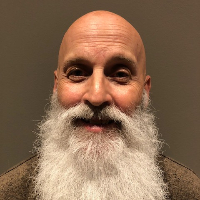
Timothy Klopfenstein
LPCMissouri · 25 yrs exp
Practical relationship and parenting counselor
Relationship · Parenting · Self esteem · Stress, Anxiety · +3 more
Read profileTherapist listings are provided by BetterHelp. We will earn a commission at no additional cost to you if you use our links to purchase.
This page groups profiles under the listed location Missouri so you can compare clinicians who list family relationships or parenting among their specialties. Use the profile summaries to review focus areas, professional credentials, languages and therapeutic approaches. Browse profiles to find clinicians you may wish to contact and learn more.
Missouri · 25 yrs exp
Practical relationship and parenting counselor
Relationship · Parenting · Self esteem · Stress, Anxiety · +3 more
Read profile
Missouri · 30 yrs exp
Practical, strengths-focused counseling for life changes
Addictions · Relationship · Family · Anger · +10 more
Read profile
Missouri · 25 yrs exp
Practical support for parenting and family stress
Stress, Anxiety · Relationship · Trauma and abuse · Grief · +11 more
Read profile
Missouri · 20 yrs exp
Practical support for family and life transitions
Family · Trauma and abuse · Grief · Coping with life changes · +7 more
Read profile
Missouri · 10 yrs exp
Compassionate, practical therapy for life challenges
Stress, Anxiety · Addictions · Grief · Self esteem · +5 more
Read profile
Missouri · 8 yrs exp
Practical counseling focused on family and parenting needs
Family · Trauma and abuse · Parenting · Depression · +14 more
Read profile
Missouri · 5 yrs exp
Compassionate counselor for life and family stress
Stress, Anxiety · Relationship · Family · Trauma and abuse · +4 more
Read profile
Missouri · 17 yrs exp
Compassionate counselor guiding practical change
Stress, Anxiety · Addictions · Trauma and abuse · Bipolar · +12 more
Read profile
Missouri · 5 yrs exp
Calm, practical support for life changes
Stress, Anxiety · Relationship · Family · Grief · +1 more
Read profile
Missouri · 30 yrs exp
Experienced LPC focused on parenting and relationships
Stress, Anxiety · Relationship · Trauma and abuse · Parenting · +1 more
Read profile
Missouri · 3 yrs exp
Practical, skills-focused counseling for everyday stress
Stress, Anxiety · Family · Self esteem · Depression · +1 more
Read profile
Missouri · 8 yrs exp
Empathetic counselor helping parents find steady progress
Stress, Anxiety · Addictions · Parenting
Read profile
Missouri · 4 yrs exp
Practical support for family stress and anxiety
Stress, Anxiety · Family · Trauma and abuse · Self esteem · +1 more
Read profile
Missouri · 5 yrs exp
Compassionate, practical support for family and personal struggles
Stress, Anxiety · Family · Trauma and abuse · Parenting · +1 more
Read profile
Missouri · 30 yrs exp
Compassionate counselor focused on practical change
Stress, Anxiety · Relationship · Trauma and abuse · Depression · +12 more
Read profile
Missouri · 10 yrs exp
Compassionate counselor focusing on family concerns
Stress, Anxiety · Grief · Self esteem · Depression · +11 more
Read profile
Missouri · 17 yrs exp
Supportive counselor for family concerns
Stress, Anxiety · Addictions · Relationship · Family · +16 more
Read profile
Missouri · 13 yrs exp
Compassionate, goal-focused counseling
Stress, Anxiety · Relationship · Intimacy-related issues · Self esteem · +11 more
Read profile
Missouri · 13 yrs exp
Support for family and parenting concerns
Family · Anger · Self esteem · Coping with life changes · +11 more
Read profile
Missouri · 27 yrs exp
Practical therapy focused on thoughts and relationships
Stress, Anxiety · Relationship · Parenting · Self esteem · +5 more
Read profile
Missouri · 16 yrs exp
Warm, practical therapy for parenting and life challenges
Stress, Anxiety · LGBT · Family · Trauma and abuse · +13 more
Read profile
Missouri · 15 yrs exp
Compassionate counselor focused on practical change
Stress, Anxiety · Trauma and abuse · Grief · Anger · +7 more
Read profile
Missouri · 10 yrs exp
Practical support for stress and family concerns
Stress, Anxiety · Family · Trauma and abuse · Parenting · +15 more
Read profile
Missouri · 25 yrs exp
Healing through practical, person-focused therapy
Stress, Anxiety · Relationship · Family · Grief · +6 more
Read profileWhen family ties become strained you may feel overwhelmed, stuck or unsure where to begin. You could be coping with parenting stress during a developmental transition, navigating the practical and emotional challenges of a blended family, responding to conflict with adult children, or managing care decisions for aging parents. Each of these situations raises different questions about boundaries, communication and expectations. In many cases you will be looking for a clinician who understands the particular life stage and dynamics that matter to you, and who can work with you as an individual to clarify priorities and next steps.
As you read profiles, pay attention to language that reflects a focus on parenting roles, parent-child relationships, stepfamily dynamics, caregiving stress and family conflict. Profiles describe the issues a clinician lists among their specialties but do not guarantee a specific kind of therapy for every person. If safety is a concern because someone is at risk of harm, call local emergency services or an appropriate crisis line right away; this directory is not an emergency resource.
This page groups profiles under the listed location Missouri. This is not evidence of an office, physical proximity, eligibility for every resident, or an active license in that location. Profiles are summaries provided by individual clinicians. If geographic permission to practice matters to you, check the individual profile and confirm permission to work together where you live before making plans to meet or begin remote sessions.
Profiles often include academic degrees such as PhD, PsyD, MD, MA or MSW. Degrees indicate completed education but are distinct from professional licenses or registrations that grant permission to practice. In the United States that permission typically comes from a state license such as a clinical social work, professional counseling or marriage and family therapy credential. In the United Kingdom and Australia clinicians may list registration or professional membership rather than a state-style license. A degree alone does not establish current permission to practice where you live, so use the profile information as a starting point for verification and ask questions about scope and jurisdiction when you contact a clinician.
Once you find profiles that seem relevant, prepare specific questions to compare approaches and experience. Ask how the clinician typically supports parents who are managing high conflict with a co-parent, or what they focus on when working with someone supporting an aging relative. Request examples of work with adults coping with guilt, role overload, or boundary setting. If you have a child with particular needs, ask whether the clinician has experience working with parents of children in a similar age range, and how they involve parents in goal-setting.
When therapists list approaches on their profile, view those entries as descriptors rather than guarantees. For example, you might see clinicians who list EMDR among their approaches; this should be read as therapists who list EMDR among their approaches rather than a promise of specialized certification. Concrete comparison questions include: How do you tailor your approach to the age of the child and the family structure? How do you measure progress in parenting-related goals? What kinds of communication skills do you teach and how are those practiced? These kinds of questions help you evaluate whether a clinician’s stated focus aligns with the type of support you want.
Before you begin a working relationship, discuss logistical and practical concerns that could affect outcomes. If you are planning remote sessions, confirm whether the clinician has permission to work with clients located in Missouri or another jurisdiction where you live. Ask about session format, how the clinician handles scheduling and what to expect from a typical meeting. Talk about record-keeping and privacy practices so you understand how information from sessions is handled, and ask about communication between sessions if that is important to you.
It is also sensible to discuss contingency planning for safety issues. If you or someone in your household is at immediate risk, call 911 or local emergency services. If you need to discuss concerns about child safety, abuse or imminent harm, make that clear when you contact a clinician so appropriate steps can be taken promptly. If your situation involves legal, medical or urgent housing needs, a clinician can often coordinate with other professionals, but they will not provide legal or medical advice themselves. Clarifying expectations up front reduces misunderstandings and helps you assess whether a potential clinician’s approach and logistical arrangements match your needs.
Comparing profiles effectively means looking beyond headlines to the details that matter to you. Focus areas tell you the issues a clinician lists among their specialties, such as parenting stress, adolescence, stepfamilies or caregiving for older adults. If language access matters, give priority to profiles that list the languages you need, and ask about the clinician’s experience in conducting therapy across cultural contexts. Credentials on a profile might include degrees and professional licenses or registrations. Consider both academic training and the governing body that authorizes practice in the clinician’s country or state, and verify any jurisdictional restrictions before proceeding.
Style and therapeutic fit are often the most important factors for long-term work. Profiles will sometimes indicate whether a clinician emphasizes practical skills and strategies, reflective exploration, or a combination of both. You may prefer someone who incorporates behavioral techniques to address parenting routines, or someone who focuses on relational patterns and underlying beliefs. Because profiles summarize what a clinician lists, use initial contacts to ask for a description of typical session content, the clinician’s decision-making around goals, and examples of strategies used with people in similar situations. Comparing these specifics across profiles will help you select a few clinicians to contact and explore further.
Keep in mind that profiles describe clinicians who help individuals with family and parenting concerns. A listed topic does not establish that the clinician treats children, couples, or families. Discuss your needs and the clinician’s scope directly before beginning work to ensure alignment. Use the profile as a tool to narrow your search, then follow up with clear, specific questions so you can feel informed about how a clinician might support you.
Addictions
1349 therapists
ADHD
1186 therapists
Anger
1889 therapists
Autism
201 therapists
Control Issues
546 therapists
Depression
2962 therapists
Domestic Violence
208 therapists
Grief
2153 therapists
Guilt and Shame
1181 therapists
Isolation / Loneliness
981 therapists
Midlife Crisis
213 therapists
Post-Traumatic Stress
678 therapists
Postpartum Depression
126 therapists
Self Esteem
2855 therapists
Stress & Anxiety
3447 therapists
Trauma and Abuse
2344 therapists
Abandonment
367 therapists
Adoption
158 therapists
Aging and Geriatric Issues
133 therapists
Attachment Issues
681 therapists
Blended Family Issues
294 therapists
Career
1438 therapists
Caregiver Issues and Stress
491 therapists
Codependency
257 therapists
Communication Problems
1589 therapists
Compassion Fatigue
1080 therapists
Coping with Life Changes
2544 therapists
Divorce
572 therapists
Family
3243 therapists
Family of Origin Issues
240 therapists
Fatherhood Issues
161 therapists
Fertility Issues
46 therapists
Forgiveness
1008 therapists
Foster Care
158 therapists
Life Purpose
1184 therapists
Money and Financial Issues
122 therapists
Parenting
2337 therapists
Pregnancy
100 therapists
Relationship
2915 therapists
Separation
572 therapists
Workplace Issues
405 therapists