
Jennifer Fishman
LPC, LCPCOregon · 17 yrs exp
Compassionate, practical counseling for life transitions
Stress, Anxiety · Anger · Self esteem · Career · +12 more
Read profileTherapist listings are provided by BetterHelp. We will earn a commission at no additional cost to you if you use our links to purchase.
This page groups professionals who list Relationship as a specialty and who also include Family or Parenting among their focuses. Compare listed location, academic degrees and professional registrations, focus areas, languages, and therapeutic approaches, then browse profiles to learn more.
Oregon · 17 yrs exp
Compassionate, practical counseling for life transitions
Stress, Anxiety · Anger · Self esteem · Career · +12 more
Read profile
California · 23 yrs exp
Practical, goal-focused support for family and parenting concerns
Stress, Anxiety · LGBT · Relationship · Family · +5 more
Read profile
North Carolina · 12 yrs exp
Practical, person-centered counseling with CBT focus
Relationship · Family · Parenting · Self esteem · +7 more
Read profile
New York · 11 yrs exp
Person-centered counselor focusing on practical change
Stress, Anxiety · Anger · Bipolar · Depression · +11 more
Read profile
South Carolina · 6 yrs exp
Compassionate social worker for family concerns
Stress, Anxiety · Trauma and abuse · Anger · Depression · +10 more
Read profile
New Jersey · 5 yrs exp
A compassionate, goal-focused counselor
Stress, Anxiety · Relationship · Family · Anger · +12 more
Read profile
Hawaii · 7 yrs exp
Caring family-focused therapist
Stress, Anxiety · Addictions · Relationship · Family · +11 more
Read profile
Michigan · 45 yrs exp
Experienced counselor for family concerns
Stress, Anxiety · Addictions · Trauma and abuse · Grief · +10 more
Read profile
Pennsylvania · 16 yrs exp
Warm person-centered counselor for family concerns
Stress, Anxiety · Relationship · Family · Trauma and abuse · +11 more
Read profile
South Carolina · 10 yrs exp
Practical therapy for stress and family concerns
Stress, Anxiety · Relationship · Family · Trauma and abuse · +1 more
Read profile
South Carolina · 20 yrs exp
Clear, practical therapy for everyday challenges
Stress, Anxiety · Relationship · Self esteem · Depression · +10 more
Read profile
Oklahoma · 20 yrs exp
Practical counseling for families and life stressors
Stress, Anxiety · Relationship · Family · Parenting · +13 more
Read profile
Indiana · 11 yrs exp
Therapist for family and life transitions
Stress, Anxiety · Grief · Depression · Coping with life changes · +8 more
Read profile
Kentucky · 11 yrs exp
Practical, relationship-focused therapy for change
Stress, Anxiety · Relationship · Family · Self esteem · +9 more
Read profile
Pennsylvania · 9 yrs exp
Helping parents find calmer, practical paths
Stress, Anxiety · Grief · Parenting · Self esteem · +11 more
Read profile
Pennsylvania · 12 yrs exp
Practical counseling grounded in CBT principles
Stress, Anxiety · LGBT · Relationship · Self esteem · +8 more
Read profile
Pennsylvania · 38 yrs exp
Practical, nonjudgmental therapy for everyday struggles
Stress, Anxiety · Grief · Depression · Addictions · +7 more
Read profile
New York · 24 yrs exp
Family-focused clinician helping parents and caregivers
Stress, Anxiety · Addictions · Family · Parenting · +9 more
Read profile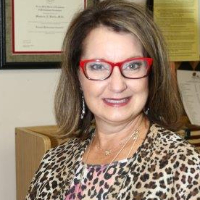
Texas · 4 yrs exp
Compassionate, practical support for emotional struggles
Stress, Anxiety · Addictions · Relationship · Family · +3 more
Read profile
North Carolina · 25 yrs exp
Compassionate counselor focused on practical change
Stress, Anxiety · Addictions · Family · Trauma and abuse · +11 more
Read profile
New York · 36 yrs exp
Practical counseling for parents and families
Stress, Anxiety · Family · Parenting · Self esteem · +7 more
Read profile
New Mexico · 3 yrs exp
Trauma-informed, practical support for parents and individuals
Stress, Anxiety · Trauma and abuse · Depression · Compassion fatigue · +9 more
Read profile
Michigan · 10 yrs exp
Compassionate counselor focused on practical growth
Relationship · Family · Self esteem · Career · +5 more
Read profile
Michigan · 10 yrs exp
Compassionate LPC focused on practical family concerns
Stress, Anxiety · Family · Trauma and abuse · Grief · +12 more
Read profileWhen family roles shift - whether through parenting stress, blended family adjustments, conflict with adult children, or changing responsibilities for aging parents - you may find yourself looking for support to manage emotions, decision-making, and practical boundaries. You might be seeking help to sort through recurring arguments, to develop clearer communication, or to cope with caregiving strain. Therapists listed under Relationship in this directory commonly work with adults on these kinds of challenges, helping you explore patterns and options that make sense in your life. That does not mean any particular professional will use the same approach or offer the same scope of work; profiles show self-reported focuses and approaches so you can identify clinicians whose experience aligns with your needs.
If someone is at immediate risk of harm, or if a child or adult is unsafe, contact local emergency services or your country’s crisis lines right away. If there is distress that does not require emergency response but feels urgent, the profile descriptions can help you identify clinicians who list experience with related issues so you can decide how to proceed.
Relationship as a specialty often overlaps with family and parenting concerns, which is why this page groups professionals who list both. That linkage reflects how adults frequently bring relationship problems that are entwined with parenting responsibilities and family roles. The directory’s emphasis on family and parenting informs the way profiles are categorized, but the presence of a listed topic does not establish clinical scope or guarantee a particular service. In practice, many clinicians who list Family or Parenting focus work with individuals seeking clarity about parenting decisions, boundaries with adult children, or navigation of blended family dynamics.
Keep in mind that a profile that lists Relationship alongside Family or Parenting signals an interest or experience area reported by the clinician. It is important to discuss with any clinician whether they work with individual clients on family issues, what aspects of parenting or eldercare they typically address, and whether their approach fits the situation you are facing.
When you review profiles, note the approaches a clinician lists and prepare specific questions that matter to you. Ask whether they have experience helping adults manage conflict with an ex-partner around parenting plans, assisting people adjusting to stepfamily roles, or supporting caregivers of aging parents. If a profile lists particular methods, you can say, "I see you list X among your approaches - can you describe how you apply that with someone working on parenting stress?" Use phrasing that clarifies the clinician’s real-world experience rather than assuming formal credentials in a method.
Distinguish academic degrees from professional authorization. A profile may display degrees such as PhD, PsyD, MD, MA, or MSW. A degree indicates academic training but does not by itself establish permission to practice clinically. Ask whether the clinician holds a current US professional license, a UK registration or membership, or an Australian registration or membership and what those credentials allow them to do in practice. It is reasonable to ask about the clinician’s recent experience with issues like adolescent behavior, adult-child estrangement, or long-distance caregiving so you can assess fit for your particular needs.
If you are considering remote sessions, talk through practical and clinical details up front. Ask how the clinician handles communication between sessions, whether they can work with you around time-zone differences when listed location spans regions, and how they assess suitability for remote work on sensitive family topics. Clarify what the clinician sees as their role when you bring issues involving other family members, since this directory groups clinicians by the topics they list rather than by service models. It is appropriate to ask how they manage limits of practice - for example, whether they focus on individual coping and decision-making rather than direct mediation between family members.
Before beginning, also discuss emergency planning. Ask what steps the clinician recommends if someone becomes acutely distressed during a remote session and what local resources they suggest in your area. If a child or adult is at immediate risk, you should contact local emergency services first. These conversations do not need to be lengthy, but they help you set expectations and decide whether a clinician’s way of working matches your situation.
Profiles offer a range of details you can use to narrow options. Look for focus-area language that matches your concern - for example, parenting stress, blended family transitions, caregiving for aging parents, or conflict with adult children. Note the languages listed if working in your preferred language matters; language can shape how comfortable you feel exploring sensitive topics. Consider the clinician’s stated therapeutic approaches as options to discuss, not proof of qualification in a method. You might ask a clinician how they typically use approaches they list, saying, "Several profiles mention X; how do you tailor that with someone managing parenting burnout?"
Compare credentials carefully. A profile may list degrees like PhD or MSW and may also indicate whether a clinician holds a US license, a UK registration or membership, or an Australian registration or membership. These are distinct categories: degrees describe education, while licenses and registrations describe professional permission or affiliation in different jurisdictions. Ask directly about current professional status and what that status permits in terms of practice in your country or state. Finally, pay attention to the tone of profiles and clinician statements about style and boundaries. Some clinicians emphasize practical problem-solving, others emphasize reflective exploration of family patterns. Think about what style you are most likely to engage with and prioritize profiles that describe a similar approach to care.
Choosing a clinician from this Relationship category is often an iterative process. Use the profiles to create a short list based on focus areas, languages, academic degrees and professional registrations, and the ways clinicians describe their approach. Prepare the comparison questions described above, and when you connect with a clinician ask specifically how they would address your priorities, whether they typically work with individuals on the issues you bring, and what you might expect in the early weeks of work together. Remember that listing a topic on a profile is a starting point for conversation, not a guarantee of services or outcomes.
Above all, prioritize your immediate safety. If someone is in danger or you feel an urgent risk, contact emergency services in your listed location right away. Otherwise, use the directory to explore profiles at your own pace and to find clinicians whose focus areas and professional credentials align with the family and parenting concerns you want to address. Take your time to find a conversational fit and to clarify scope before beginning work with any clinician.
Alabama
47 therapists
Alaska
3 therapists
Arizona
23 therapists
Arkansas
27 therapists
Australia
58 therapists
California
378 therapists
Colorado
74 therapists
Connecticut
57 therapists
Delaware
9 therapists
District of Columbia
6 therapists
Florida
224 therapists
Georgia
72 therapists
Hawaii
18 therapists
Idaho
15 therapists
Illinois
142 therapists
Indiana
66 therapists
Iowa
14 therapists
Kansas
22 therapists
Kentucky
32 therapists
Louisiana
66 therapists
Maine
15 therapists
Maryland
49 therapists
Massachusetts
60 therapists
Michigan
133 therapists
Minnesota
52 therapists
Mississippi
43 therapists
Missouri
89 therapists
Montana
14 therapists
Nebraska
16 therapists
Nevada
13 therapists
New Hampshire
9 therapists
New Jersey
90 therapists
New Mexico
19 therapists
New York
232 therapists
North Carolina
91 therapists
North Dakota
4 therapists
Ohio
83 therapists
Oklahoma
56 therapists
Oregon
27 therapists
Pennsylvania
154 therapists
Rhode Island
9 therapists
South Carolina
39 therapists
South Dakota
8 therapists
Tennessee
54 therapists
Texas
323 therapists
United Kingdom
577 therapists
Utah
21 therapists
Vermont
9 therapists
Virginia
44 therapists
Washington
54 therapists
West Virginia
6 therapists
Wisconsin
48 therapists
Wyoming
7 therapists