
Julie Wiggins
LCSWIndiana · 11 yrs exp
Therapist for family and life transitions
Stress, Anxiety · Grief · Depression · Coping with life changes · +8 more
Read profileTherapist listings are provided by BetterHelp. We will earn a commission at no additional cost to you if you use our links to purchase.
This page groups professionals who list Family of Origin Issues alongside family and parenting specialties. Compare focus areas, therapeutic approaches, listed languages and credentials, and browse profiles to learn more about practitioners in your listed location.
Indiana · 11 yrs exp
Therapist for family and life transitions
Stress, Anxiety · Grief · Depression · Coping with life changes · +8 more
Read profile
Kentucky · 11 yrs exp
Practical, relationship-focused therapy for change
Stress, Anxiety · Relationship · Family · Self esteem · +9 more
Read profile
Texas · 4 yrs exp
Compassionate, practical support for emotional struggles
Stress, Anxiety · Addictions · Relationship · Family · +3 more
Read profile
New York · 36 yrs exp
Practical counseling for parents and families
Stress, Anxiety · Family · Parenting · Self esteem · +7 more
Read profile
Nevada · 25 yrs exp
Experienced LMFT helping with family concerns
Stress, Anxiety · Relationship · Family · Trauma and abuse · +1 more
Read profile
Connecticut · 24 yrs exp
Experienced LCSW focused on practical support
Stress, Anxiety · Addictions · Family · Bipolar · +10 more
Read profile
Pennsylvania · 11 yrs exp
Family-minded counselor with pastoral background
Stress, Anxiety · Relationship · Family · Parenting · +9 more
Read profile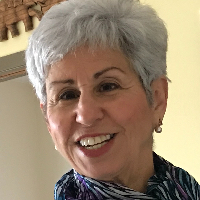
New York · 45 yrs exp
Compassionate clinician with five decades experience
Stress, Anxiety · Addictions · Relationship · Family · +4 more
Read profile
Virginia · 30 yrs exp
Practical guidance for everyday family challenges
Stress, Anxiety · Relationship · Grief · Depression · +16 more
Read profile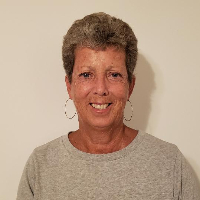
Illinois · 37 yrs exp
Collaborative, practical support for family concerns
Stress, Anxiety · Family · Anger · Self esteem · +11 more
Read profile
United Kingdom · 13 yrs exp
Supportive counsellor for family and relationship concerns
Stress, Anxiety · Relationship · Family · Anger · +8 more
Read profile
United Kingdom · 4 yrs exp
Calm, reflective psychotherapeutic counselling
Stress, Anxiety · Family · Self esteem · Depression · +11 more
Read profile
Texas · 20 yrs exp
Practical, accepting counseling for family concerns
Self esteem · Depression · Stress, Anxiety · Relationship · +9 more
Read profile
Michigan · 10 yrs exp
Practical, person-centered support for real-life struggles
Stress, Anxiety · Addictions · Trauma and abuse · Anger · +9 more
Read profile
United Kingdom · 4 yrs exp
Practical, empathetic counselling for everyday struggles
Stress, Anxiety · Relationship · Self esteem · Depression · +12 more
Read profile
United Kingdom · 13 yrs exp
Pastoral counsellor focusing on relationships and parenting
Relationship · Family · Grief · Intimacy-related issues · +5 more
Read profile
United Kingdom · 3 yrs exp
Insightful counsellor for life and family concerns
Stress, Anxiety · Relationship · Trauma and abuse · Grief · +7 more
Read profile
Illinois · 7 yrs exp
Supportive counselor focused on practical change
Stress, Anxiety · Self esteem · Depression · Coping with life changes · +15 more
Read profile
New Mexico · 23 yrs exp
Compassionate practical support for life's challenges
Stress, Anxiety · Addictions · Anger · Depression · +5 more
Read profile
United Kingdom · 7 yrs exp
Relational and practical therapy for everyday life
Stress, Anxiety · Relationship · Family · Depression · +9 more
Read profile
United Kingdom · 3 yrs exp
Person-centred counsellor for life changes
Stress, Anxiety · Trauma and abuse · Grief · Self esteem · +9 more
Read profile
United Kingdom · 4 yrs exp
Practical, culturally aware family and parenting counsellor
Stress, Anxiety · Relationship · Parenting · Self esteem
Read profile
United Kingdom · 6 yrs exp
Compassionate counselling focused on meaning and change
Stress, Anxiety · Relationship · Self esteem · Depression · +7 more
Read profile
United Kingdom · 4 yrs exp
Compassionate counsellor for parents and individuals
Relationship · Parenting · Self esteem · Depression · +6 more
Read profileFamily of origin concerns often show up as patterns you recognize in your adult relationships, as difficulty setting boundaries, or as recurring stresses in how you parent. You might seek support because childhood roles still influence how you respond to conflict, grief, caregiving for aging parents feels overwhelming, or blended family transitions bring persistent tension. The therapists listed on this page are among professionals who note Family of Origin Issues as a focus and many work with individuals exploring how earlier family dynamics affect current choices and emotions.
Keep in mind that a listing that includes family or parenting specialties does not itself indicate the therapist treats children or conducts couple or family sessions. The directory groups profiles by the topics each practitioner lists so you can compare who highlights experience with adult children, intergenerational stress, parenting challenges, or role confusion. If you believe any child or adult is in immediate danger, call emergency services or your local crisis number right away.
Family of origin themes do not always cause present difficulties, but they often shape how you interpret situations and which responses feel automatic. You may find patterns such as avoidance, caretaking, criticism, or enmeshment repeating across relationships. Those patterns can influence your parenting style, how you negotiate boundaries with aging parents, or how you manage stepfamily roles. Exploring these themes in individual therapy can help you identify triggers and experiment with different ways of responding in relationships.
The directory groups profiles of professionals who list Family of Origin Issues alongside family and parenting concerns so you can find practitioners who speak to the interplay between your past and current roles. When reading profiles, look for language about working with adults on intergenerational dynamics, parenting stress, grief over family loss, or transitions into new family structures. Profiles indicate areas the clinician highlights; they do not certify training or guarantee a particular approach, so it is useful to follow up with direct questions about how a practitioner typically works with individual clients on these topics.
When you contact a clinician, asking specific, concrete questions helps you evaluate whether their focus matches what you need. You might ask how much of their practice involves adults dealing with parenting stress, blended family transitions, or caregiving for older relatives. Ask whether they have experience helping people with long-standing family patterns or with the kinds of reactions you notice in yourself, such as anxiety around criticism or difficulty asking for help.
It is reasonable to inquire about the ways they describe their approach. For example, you can ask whether they use cognitive, psychodynamic, trauma-informed, attachment-based, narrative, or experiential elements, and phrase it as a question about how those approaches are applied. If a profile lists EMDR, systemic work, or mindfulness among approaches, you can say "I noticed you list EMDR among your approaches; can you describe how you use it with adults working on family of origin issues?" Asking in this way clarifies the practitioner's actual practice without assuming training beyond what the profile states.
Also ask about cultural competence and experience with diverse family structures. If language is important to you, check which languages are listed and ask whether the practitioner has experience working with families from similar cultural backgrounds. Finally, clarify the scope of individual work - the profile may list family or parenting as areas of interest, but you should confirm that the clinician works with individuals rather than assuming they conduct sessions with multiple family members.
If you are considering remote sessions, there are practical points to cover before you begin. Ask whether the practitioner is permitted to provide care to someone in your listed location, since rules about cross-border practice differ across jurisdictions. In the United States, clinicians typically refer to a state license; in the United Kingdom and Australia, clinicians may describe registration or membership with a professional body. Ask the clinician what their listing means in terms of the places where they are authorized to practice.
Talk with the clinician about how they handle practical matters such as scheduling, cancellation policies, how they protect and handle your information, and what their procedure is if you experience a crisis between appointments. Request a brief explanation of what to expect in an early session and how you might set goals together. If technology will be used, ask how sessions will take place and whether they have recommendations for creating a comfortable environment for the work. Remember that the directory lists practitioner profiles and specialties, but your conversation will give you the clearest sense of the match between their approach and your needs.
When you compare profiles, attend to the details that matter most to you. Read how a clinician frames their focus - do they mention working specifically with adult children, parenting stress, blended families, or caregiving for aging relatives? Consider how those focus areas align with the issues you want to address. Look at which approaches are listed and use the follow-up questions suggested earlier to understand how those approaches are applied in practice.
Credentials and professional standing are useful pieces of information, but they mean different things in different countries. Degrees such as PhD, PsyD, MD, MA, or MSW describe academic qualifications. Ask whether the person also holds a license, registration, or membership that allows them to practice in the relevant jurisdiction. In the United States, that is commonly a state license; in the United Kingdom and Australia, practitioners may note registration or membership with a regulatory or professional body. A degree alone does not indicate current permission to practice, so be sure to clarify how the clinician is authorized to work with clients in your listed location.
Style and interpersonal fit matter as much as listed specialties. Profiles often include wording that hints at a practitioner's pace, tone, and emphasis on collaboration or structure. If you prefer a directive style, a reflective approach, or practical skills work, ask how the clinician describes their typical session. If language access is important, choose someone who lists the language you prefer and ask about the degree to which they use culturally informed practices. Ultimately, use profiles to narrow your search and rely on brief conversations to determine which clinician feels like the best match for the work you want to do.
Choosing a professional to explore family of origin themes is a personal process. Use the directory to compare how clinicians describe their focus, approaches, languages and credentials, and reach out to those whose profiles resonate to ask the specific questions that matter to you. If immediate danger is present for anyone involved, contact emergency services or your local crisis resource without delay.
Alabama
47 therapists
Alaska
3 therapists
Arizona
23 therapists
Arkansas
27 therapists
Australia
58 therapists
California
378 therapists
Colorado
74 therapists
Connecticut
57 therapists
Delaware
9 therapists
District of Columbia
6 therapists
Florida
224 therapists
Georgia
72 therapists
Hawaii
18 therapists
Idaho
15 therapists
Illinois
142 therapists
Indiana
66 therapists
Iowa
14 therapists
Kansas
22 therapists
Kentucky
32 therapists
Louisiana
66 therapists
Maine
15 therapists
Maryland
49 therapists
Massachusetts
60 therapists
Michigan
133 therapists
Minnesota
52 therapists
Mississippi
43 therapists
Missouri
89 therapists
Montana
14 therapists
Nebraska
16 therapists
Nevada
13 therapists
New Hampshire
9 therapists
New Jersey
90 therapists
New Mexico
19 therapists
New York
232 therapists
North Carolina
91 therapists
North Dakota
4 therapists
Ohio
83 therapists
Oklahoma
56 therapists
Oregon
27 therapists
Pennsylvania
154 therapists
Rhode Island
9 therapists
South Carolina
39 therapists
South Dakota
8 therapists
Tennessee
54 therapists
Texas
323 therapists
United Kingdom
577 therapists
Utah
21 therapists
Vermont
9 therapists
Virginia
44 therapists
Washington
54 therapists
West Virginia
6 therapists
Wisconsin
48 therapists
Wyoming
7 therapists